
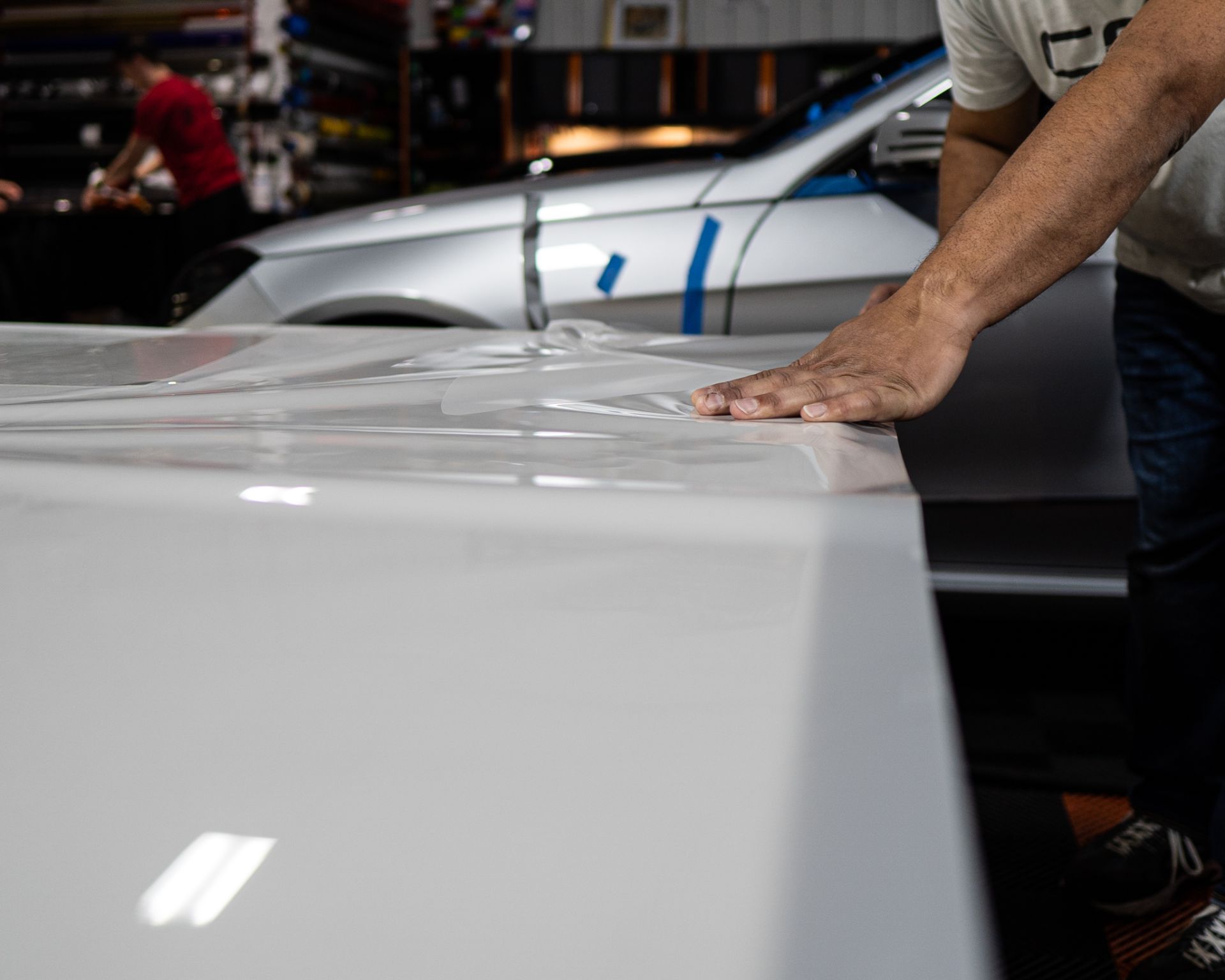
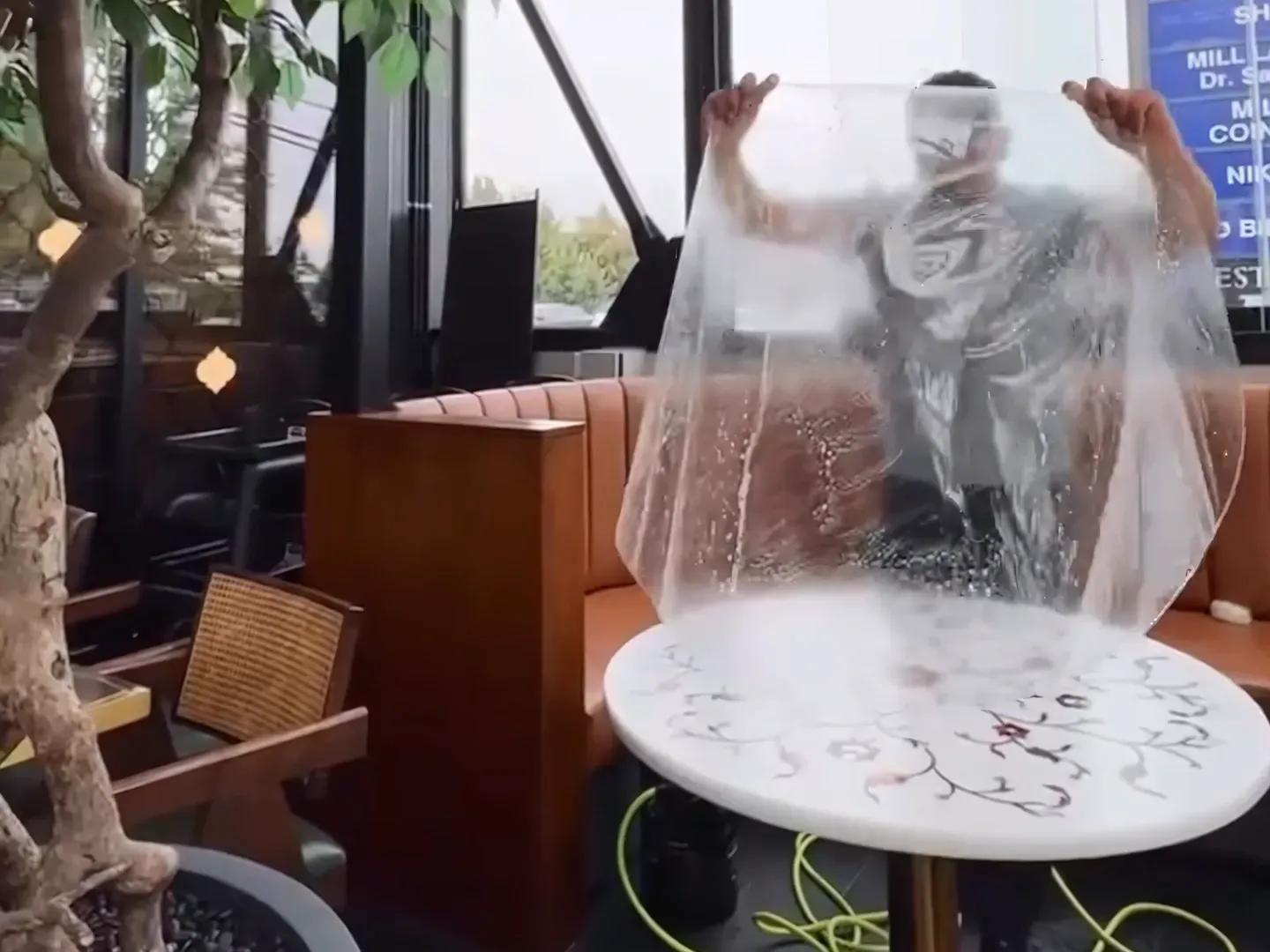
Here's a secret the film never told anyone: it doesn't know it's on a car. Paint protection film is a urethane bodyguard with no opinions. Put it on a fender, it stops rock chips. Put it on a headlight, it stops the sun from turning clear plastic into frosted glass. Put it on a hand-inlaid marble tabletop in a busy restaurant, and it does the exact same job it's always done. It takes the hit so the surface underneath doesn't have to. Most people think PPF is a car thing. It's not. It's a "things you'd be sick about scratching" thing. The car was just the first customer. [IMAGE: Diamond Shine technician squeegeeing PPF onto a white marble inlay table at Tasty Indian Bistro, floral stonework visible beneath the film] What PPF Actually Is Strip away the marketing and PPF is a thick, self-healing thermoplastic urethane film with an adhesive layer engineered to grip without damaging. It was born on helicopter rotor blades during the Vietnam era, because rotor blades were getting shredded by debris and somebody needed them to stop. That's the DNA of this product. It wasn't invented to look pretty. It was invented to absorb punishment. The gloss came later. Self-healing top coat. Light swirls and scuffs disappear with a little heat. The film literally repairs itself. Impact absorption. The thickness soaks up hits that would chip paint or gouge a finish. UV blocking. Sunlight fades everything it touches. Film slows that clock way down. Stain resistance. Coffee, curry, road tar, bird droppings. It all wipes off the film instead of soaking into the surface. Invisible when installed right. Done properly, you cannot tell it's there. That last part matters. Anyone can slap film on a surface. Making it disappear is the craft. The Classic Jobs: Vehicles This is where PPF built its reputation, and the logic hasn't changed. Your car spends its life getting sandblasted at highway speed. Every commute is a slow-motion attack on your clear coat. Full fronts. Hood, bumper, fenders, and mirrors: the zones that eat gravel for a living. The most common package for a reason. Full wraps. Every painted panel, protected. The move for new vehicles and anything you plan to keep. Headlights and fog lights. Bare polycarbonate goes cloudy and yellow. Film keeps lenses clear and keeps replacement bills off your desk. Rocker panels and door edges. The spots your shoes, your kids, and other people's doors attack daily. Interior trim and screens. Piano black plastic scratches if you look at it wrong. Film ends that argument before it starts. The Jobs Nobody Thinks About A scratch doesn't ask what it's scratching. It doesn't care if the surface cost forty dollars or forty thousand. Which is why film keeps showing up in places the brochures never mentioned. Motorcycle tanks and fairings. Jacket zippers and belt buckles are tank killers. PPF doesn't flinch. Boats and marine surfaces. Salt, sun, dock rash. Same enemies, different battlefield. RVs and trailers. Big flat panels, big highway miles, big rock-chip exposure. High-traffic home surfaces. Stair risers, cabinet edges, countertop zones that take daily abuse. Commercial furniture and decorative finishes. The one that surprises everyone, and the reason we're writing this. Case in Point: The Marble Tables at Tasty Indian Bistro
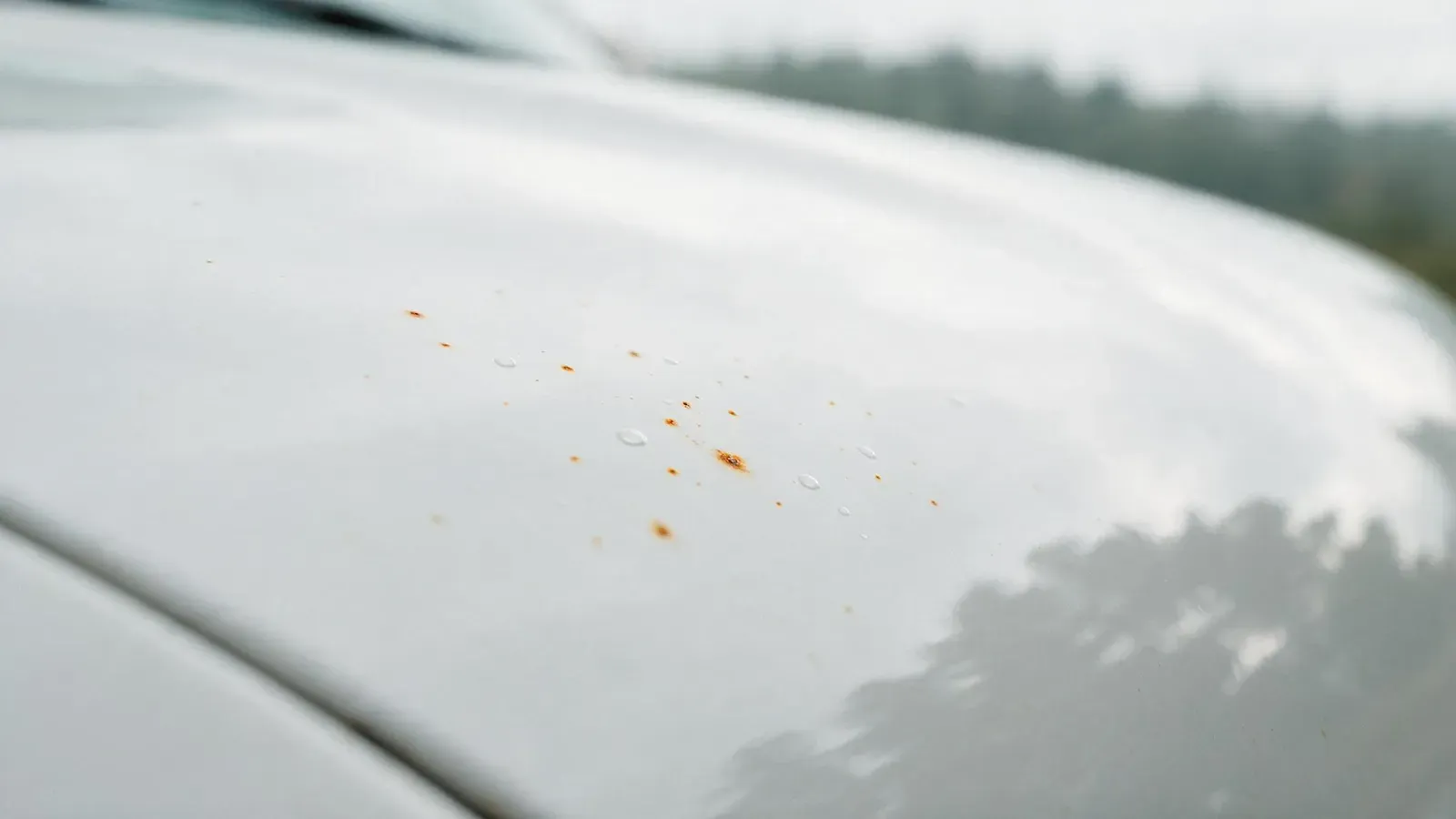
You washed it Saturday. Two buckets. Good soap. You dried it with the towel that cost more than your last tank of gas. And there they are again. Little orange freckles across the hood, the roof, the trunk lid. Not scratches. Not bird droppings. Something smaller and meaner that sits in the paint like it was invited. White paint doesn't create these spots. White paint just refuses to hide them. Every silver, black, and dark blue car parked on your street has the same problem , their owners simply get to live in denial a little longer. Those Orange Specks Aren't Your Car Rusting Here's the part most people get backwards: the rust isn't yours. It's microscopic iron particles from somewhere else that landed on your paint, got hot, and welded themselves into your clear coat. Rail lines throw them off by the ton. Brake rotors shed them every time somebody stops hard on the freeway ahead of you. Construction sites, metal shops, and farm equipment do their share. The particle lands, cools, embeds, and then sits there waiting for water. Once moisture finds it, the iron oxidizes and blooms outward into that orange halo you keep trying to scrub off. Where the iron is coming from Rail dust from freight lines running through Abbotsford, Langley, and Chilliwack Brake dust off the vehicle in front of you on Highway 1 Industrial fallout from fabrication shops, welders, and metal recycling yards Construction and roadwork grinding, cutting, and rebar handling Agricultural machinery working fields near open highway stretches The Fraser Valley Makes It Worse Iron particles need moisture to turn ugly, and we live in a place that hands them moisture nine months out of twelve. Rain, fog, morning dew, the damp that never quite burns off in November it all keeps the ferrous specks in your clear coat permanently wet and permanently reacting. Add the freight corridor cutting straight through the valley, a farming economy running heavy equipment, and industrial pockets sprinkled between the residential streets, and you get a region that's almost engineered to season your paint with metal. Cars here get contaminated faster and stain harder than the same car parked in a dry climate. What makes local conditions so effective at this Constant humidity keeps embedded iron oxidizing year-round Rail corridors running past neighbourhoods and commuter routes Stop-and-go highway traffic generating dense brake particulate Winter road treatments that add salt and grit to the mix Cars stored outdoors under trees and open sky rather than in garages Why Washing Doesn't Touch It Soap lifts what's sitting on top of your paint. These particles aren't on top of your paint. They're in it physically lodged below the surface of the clear coat, with only the oxidized bloom showing above the waterline like the tip of something larger. You can wash the car every weekend for a year and the spots will still be there, because car soap has no chemical argument to make against embedded metal. Scrubbing harder only introduces swirl marks, which means you've now got two problems and one of them you made yourself. Run your fingertips over the paint after a wash, if it feels like fine sandpaper instead of glass, that texture is contamination, not dirt. Signs you're dealing with contamination, not dirt Orange or brown pinpoint spots that survive every wash A gritty, rough feel across horizontal panels when the paint is clean Wax and sealant that stop lasting the way they used to Water that sheets and clings instead of beading cleanly Spots concentrated on the hood, roof, trunk, and upper doors What Actually Removes It Decontamination happens in two passes, and both matter. The chemical pass uses an iron remover that reacts with ferrous particles and dissolves them, you'll watch it bleed purple down the panel, which is the visible evidence of how much metal your paint has been holding. The mechanical pass uses clay to shear off whatever else has bonded to the surface: tree sap, overspray, industrial grime, tar from a summer of construction detours. Skip either step and you've done half a job. Done properly, the paint goes back to feeling like glass, and the freckles are gone rather than temporarily disguised. The order the work has to happen in Full wash to remove loose contaminants first Iron remover applied to dwell, react, and rinse Tar and adhesive removal on lower panels and rockers Clay treatment with proper lubrication across all painted surfaces Paint correction where the iron has already left a mark Protection applied last, so the clean surface stays clean When You Actually Need It Twice a year is a reasonable rhythm for a daily-driven car in this valley — once heading into spring after winter has finished with it, once heading into fall. Beyond the calendar, decontamination is non-negotiable before any protection goes on the vehicle. Sealing a ceramic coating or paint protection film over embedded iron locks the contamination in and gives it years of undisturbed time to eat downward. Any car that has spent a season parked near rail lines, industrial property, or an active construction zone deserves a look sooner. And if the spots have been there for a while, the correction step becomes part of the conversation, because iron that sits long enough stops being a surface problem and starts being a paint problem. Book decontamination when any of these apply Orange specks are visible on white, silver, or light paint The paint feels rough after a proper wash You're preparing the car for ceramic coating or PPF The vehicle parks outdoors near rail, industrial, or construction activity It's been more than six months since the last decontamination You're selling, trading, or having the car appraised Don't Wait For It To Get Interesting Embedded iron doesn't reach a stopping point. It works downward through the clear coat on its own schedule, and once it breaks through, the fix stops being a treatment and becomes a repair. The spots on your hood right now are the cheapest version of this problem you will ever see. Diamond Shine Detail handles chemical and mechanical decontamination across Abbotsford, Langley, and the Fraser Valley as standalone service, as part of a full detail, or as the prep stage before ceramic coating and paint protection film. Get in touch and we'll take a look at what your paint is holding onto.
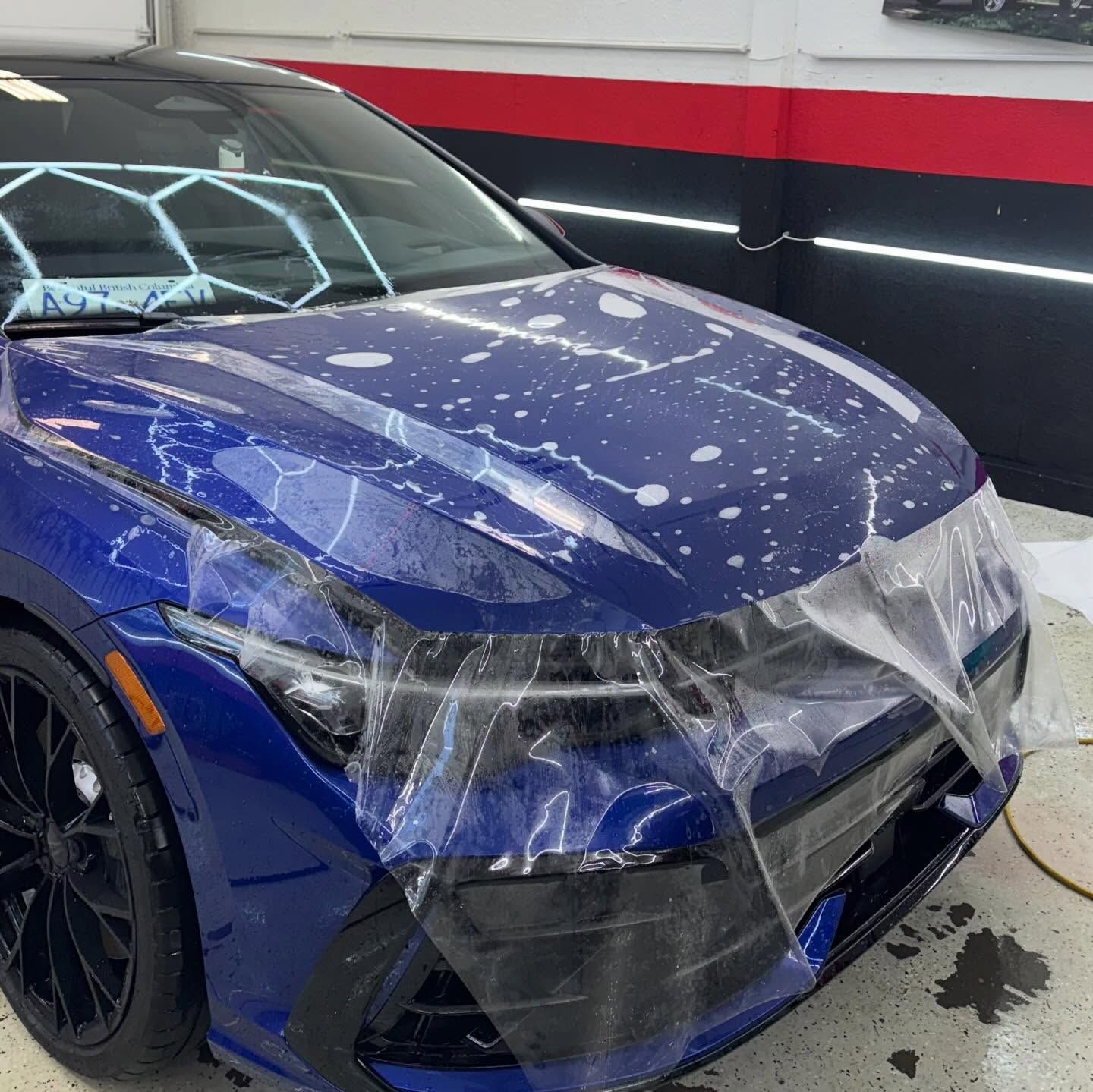
Paint protection film, or PPF, is a clear thermoplastic urethane film applied to a vehicle's painted surfaces to physically shield the paint from rock chips, scratches, abrasion, and chemical staining.
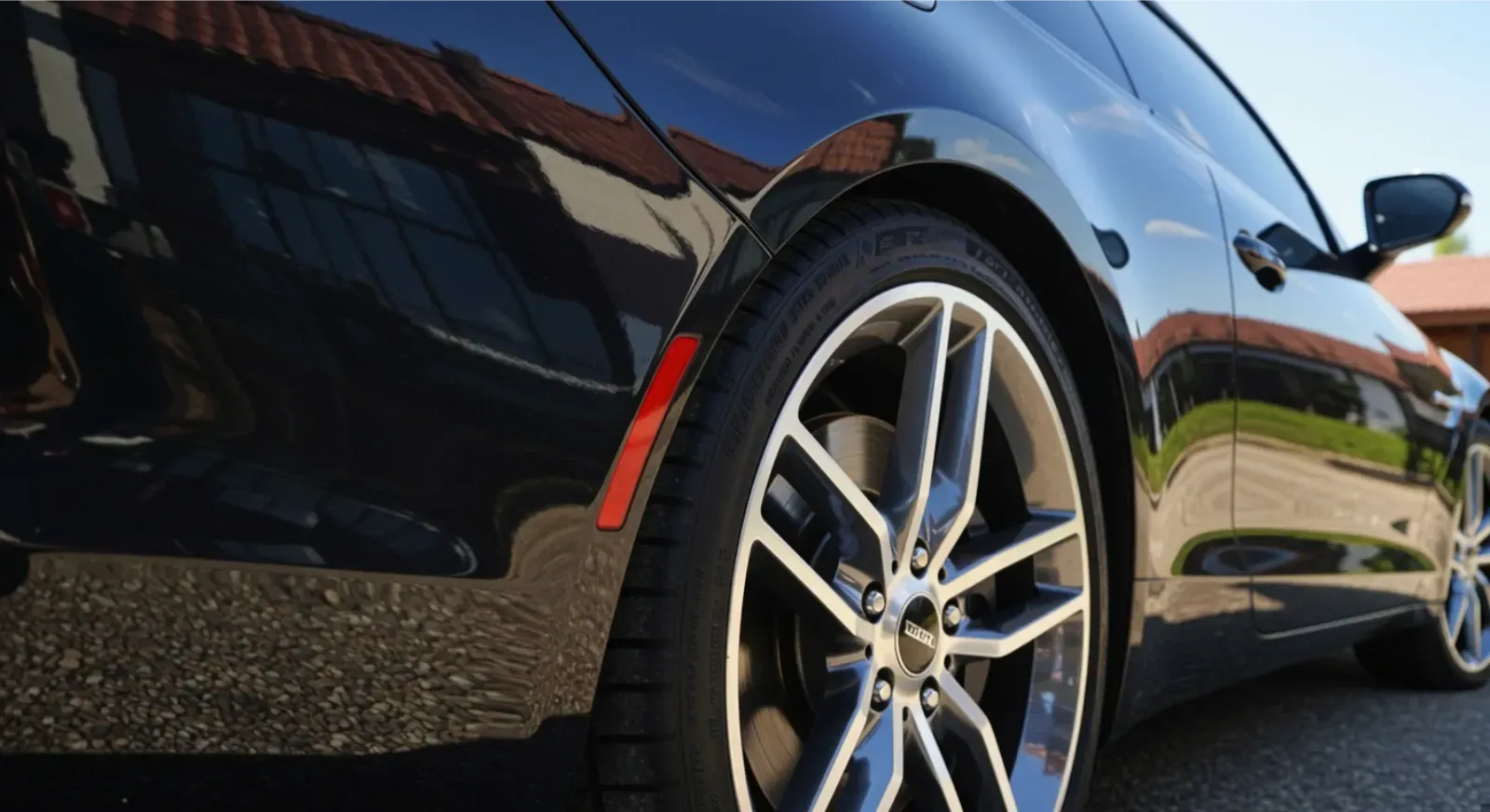
A ceramic coating is a liquid polymer applied to a vehicle's exterior that chemically bonds with the factory clear coat to form a hard, hydrophobic protective layer. It's made primarily of silicon dioxide (SiO2), sometimes blended with titanium dioxide (TiO2), and once cured it behaves like a semi-permanent shield against UV rays, bird droppings, tree sap, road grime, and light chemical contaminants. Think of it as an invisible sacrificial layer that takes the beating your paint would otherwise absorb. Quick facts about ceramic coating: Liquid polymer, mostly SiO2-based Chemically bonds to the factory clear coat instead of sitting on top like wax Cures into a hard, glass-like layer roughly 2 to 3 microns thick Repels water, dirt, and UV damage Lasts 2 to 7+ years depending on product and prep Does not replace paint protection film for impact defense What Ceramic Coating Is Actually Made Of Strip the marketing away and ceramic coating is chemistry. The active ingredient in most professional-grade products is silicon dioxide, often listed as a percentage like 80% or 90%. Higher concentration generally means a harder cure, a longer life, and better hydrophobic performance. Some premium coatings add titanium dioxide for extra depth and gloss. Graphene-infused products have entered the market claiming better heat dissipation and longer life. What you're paying for is the ratio, the solvent carrier, and the engineering behind how the product crosslinks as it cures. Common ceramic coating ingredients: Silicon dioxide (SiO2) — the core protective component Titanium dioxide (TiO2) — added for gloss and depth Graphene oxide — newer additive for heat resistance Polysilazanes — help with bonding and long-term durability Solvent carriers — evaporate during cure, leaving the hard layer behind How a Ceramic Coating Bonds to Your Paint Ceramic coating works by filling the microscopic peaks and valleys in your clear coat and forming covalent bonds at the molecular level. Wax sits on top of your paint and washes off. A sealant lasts a few months. A coating becomes part of the surface until it's mechanically polished away. That's why surface prep matters more than the product itself. If there are contaminants, swirl marks, or residue on the paint when the coating goes on, all of it gets locked in under the layer for years. What proper prep looks like before coating: Thorough wash and full decontamination Iron fallout removal Clay bar treatment Paint correction to remove swirls and scratches IPA or dedicated panel wipe to strip oils Climate-controlled application environment What a Ceramic Coating Actually Does The benefits are real, but they're specific. Water beads and sheets off the surface, which means dirt has less grip and washing goes faster. UV rays get reflected instead of slowly oxidizing your paint. Minor chemical etching from bird bombs and bug guts gets resisted, not blocked, if you clean it off within a reasonable window. The paint looks deeper, glossier, and more uniform because the coating fills imperfections and refracts light evenly. Your car stays cleaner longer and looks better doing it. Real-world benefits you'll notice: Water beads and rolls off in sheets Road grime rinses off with less effort Deeper, wet-looking gloss Better resistance to oxidation and color fade Easier maintenance washes Mild chemical resistance against bird droppings, bug splatter, and tree sap What a Ceramic Coating Won't Do This is where the industry sells a fantasy. A coating is not armor. Rocks will still chip your paint. Shopping carts will still scratch it. Washing it with a grit-loaded sponge will still swirl it. The hardness rating thrown around, 9H on the pencil scale, gets misrepresented as bulletproof in marketing copy. It's not. A ceramic coating makes maintenance easier and protects against chemical and UV damage. Physical impact protection is the job of paint protection film , which is a different product entirely. Myths worth letting go of: Coatings stop rock chips (they don't) You never need to wash the car again (you do) 9H hardness means scratch-proof (it means harder than most pencil leads, nothing more) One coating lasts forever (they wear, oxidize, and need maintenance) All coatings are equal (they aren't, not even close) What Are the Disadvantages of Ceramic Coating? The main disadvantages of ceramic coating are the upfront cost, the dependence on proper prep, and the fact that a bad install locks defects into your paint for years. You're not buying a miracle. You're buying a specific chemical layer that does specific things well and nothing else. A coating won't stop impact damage, won't eliminate the need for regular washing, and won't forgive a sloppy installer. Done wrong, it's worse than doing nothing at all because removal requires machine polishing, not a wash-off. Main disadvantages of ceramic coating: Higher upfront cost than wax or paint sealant Requires meticulous prep; poor prep locks contaminants under the layer for years Vehicle downtime of 1 to 3 days for a professional application to fully cure Does not protect against rock chips, deep scratches, or impacts Removal requires machine polishing, not a simple wash DIY applications often underperform the marketing claims Still needs regular, careful washing to maintain performance How Long Does Ceramic Coating Last on a Car? Ceramic coating typically lasts 2 to 5 years on a professionally installed vehicle, with premium products and proper maintenance pushing past 7 years. Entry-level consumer coatings applied at home usually hold up for 1 to 2 years. Durability depends on the product tier, the quality of paint prep, how the vehicle is used, and how it's maintained. Daily drivers in harsh climates wear coatings faster than garage-kept weekend cars. For a deeper breakdown of protection, cost, and real-world durability, read our full guide on whether ceramic coating is good for cars . Factors that affect coating lifespan: Product quality and number of layers applied Quality of surface prep and paint correction Application environment (temperature, humidity, dust control) Wash technique and ongoing maintenance schedule Climate and road conditions Parking situation, garage versus outdoor Ceramic Coating vs Wax vs Paint Sealant Wax is a short-term dress-up. Paint sealant is a synthetic step above wax. Ceramic coating is a different category of product altogether. Wax might last a few weeks. A sealant might last a few months. A coating lasts years. Waxes and sealants offer modest water repellency and almost no chemical resistance. Coatings hold water at extreme contact angles and resist mild acids and alkalis. You're paying more upfront for a coating and getting exponentially more protection and time. If you're weighing coating against film, our ceramic coating versus PPF comparison breaks down the tradeoffs. Quick comparison: Wax — 1 to 3 months, easy DIY, soft shine, minimal protection Paint sealant — 3 to 6 months, DIY or pro, good shine, light protection Ceramic coating — 2 to 7+ years, pro application preferred, deep gloss, real chemical and UV protection Paint protection film — 7 to 10+ years, pro-only, clear urethane layer for impact protection How Much Does Ceramic Coating Cost? Professional ceramic coating costs $800 to $2,500+ in Canada for most vehicles, while consumer DIY kits run $50 to $200. Price tracks with product quality, prep work, and installer skill. Professional ceramic coating installations in Canada typically start around $800 for a basic package on a small vehicle and climb past $2,500 for multi-year warranted coatings on larger vehicles with paint correction included. What you're paying for at the higher end is the correction, the controlled environment, the product, and the warranty. What goes into the price: Vehicle size and current paint condition Number of ceramic coating layers applied Paint correction required before application Product tier and manufacturer warranty length Installer certification and experience Add-on services like wheel, glass, or interior coatings Is Ceramic Coating Good for Your Car? Yes, ceramic coating is good for most vehicles when it's applied correctly on properly prepared paint. It extends the life of your clear coat, reduces wash time, maintains gloss longer than any wax or sealant, and adds meaningful UV and chemical resistance. The catch: it's only as good as the prep, the product, and the installer. A botched coating on dirty paint is worse than no coating at all. For the full breakdown on when coating pays off and when it doesn't, read our complete guide on whether ceramic coating is good for cars . When ceramic coating benefits your vehicle: Paint is in good condition or can be corrected before application You plan to keep the vehicle 3+ years A qualified installer is doing the work in a controlled environment You're willing to maintain the coating with proper wash technique Your use case (daily driver, weekend car, resale plans) matches the investment Who Should Get a Ceramic Coating Not every car needs one. If you drive a 15-year-old commuter that sees a car wash once a season, you're overpaying for protection you won't benefit from. Coatings make sense when the vehicle has value worth preserving, when you plan to keep it for several years, when you want to reduce maintenance time, and when the paint is still in good condition or can be corrected before application. New car owners, luxury vehicle owners, and people who care about how their car looks on a Tuesday in February are the typical fit. A coating is worth it if: Your vehicle is new or recently corrected You plan to keep it 3+ years You want to cut wash time and effort You care about long-term gloss and color depth You park outside and want UV defense Resale value matters to you If your vehicle fits the profile and you're in the Langley or Fraser Valley area, get in touch for a quote and we'll walk you through the package that actually matches how you use the car.
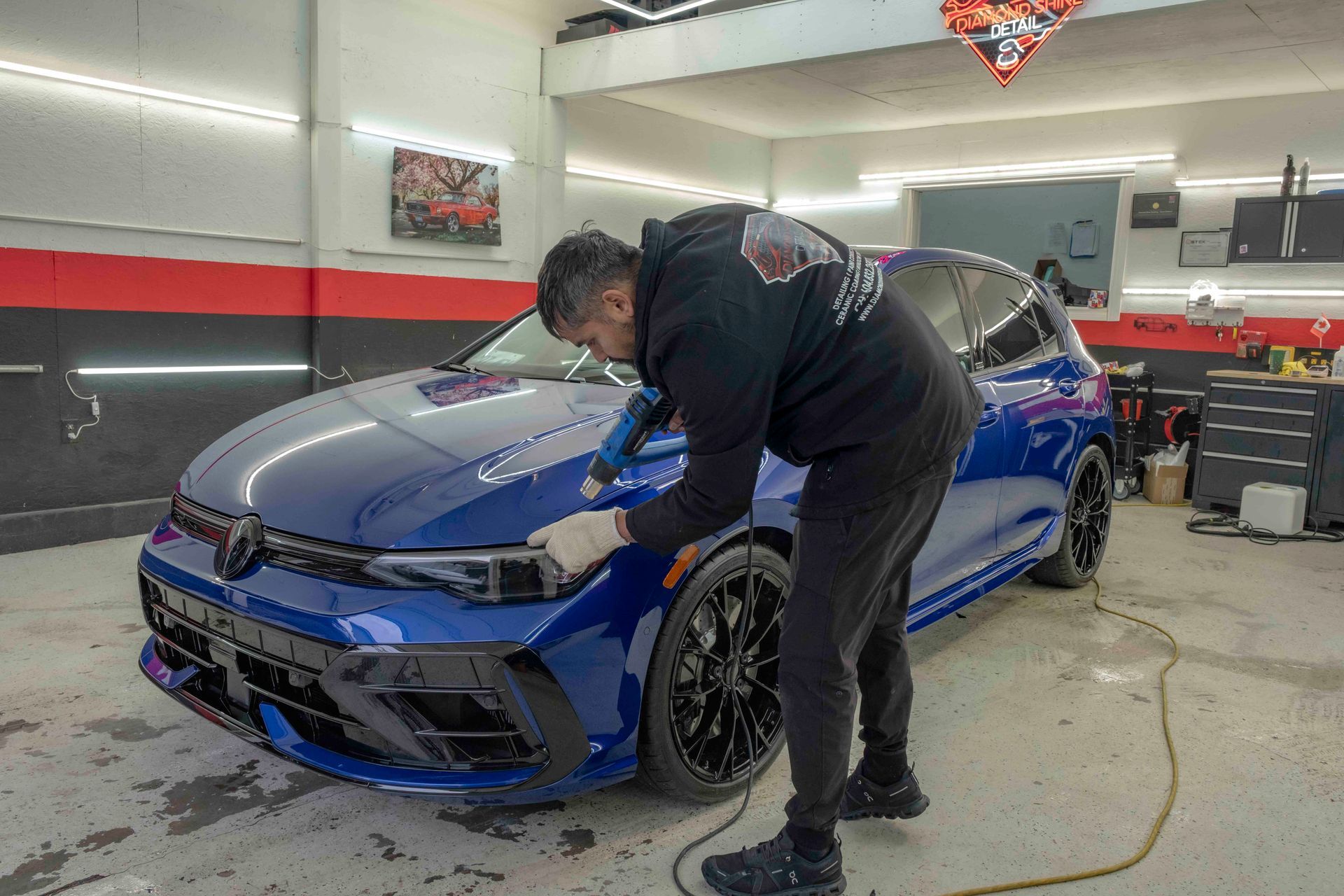
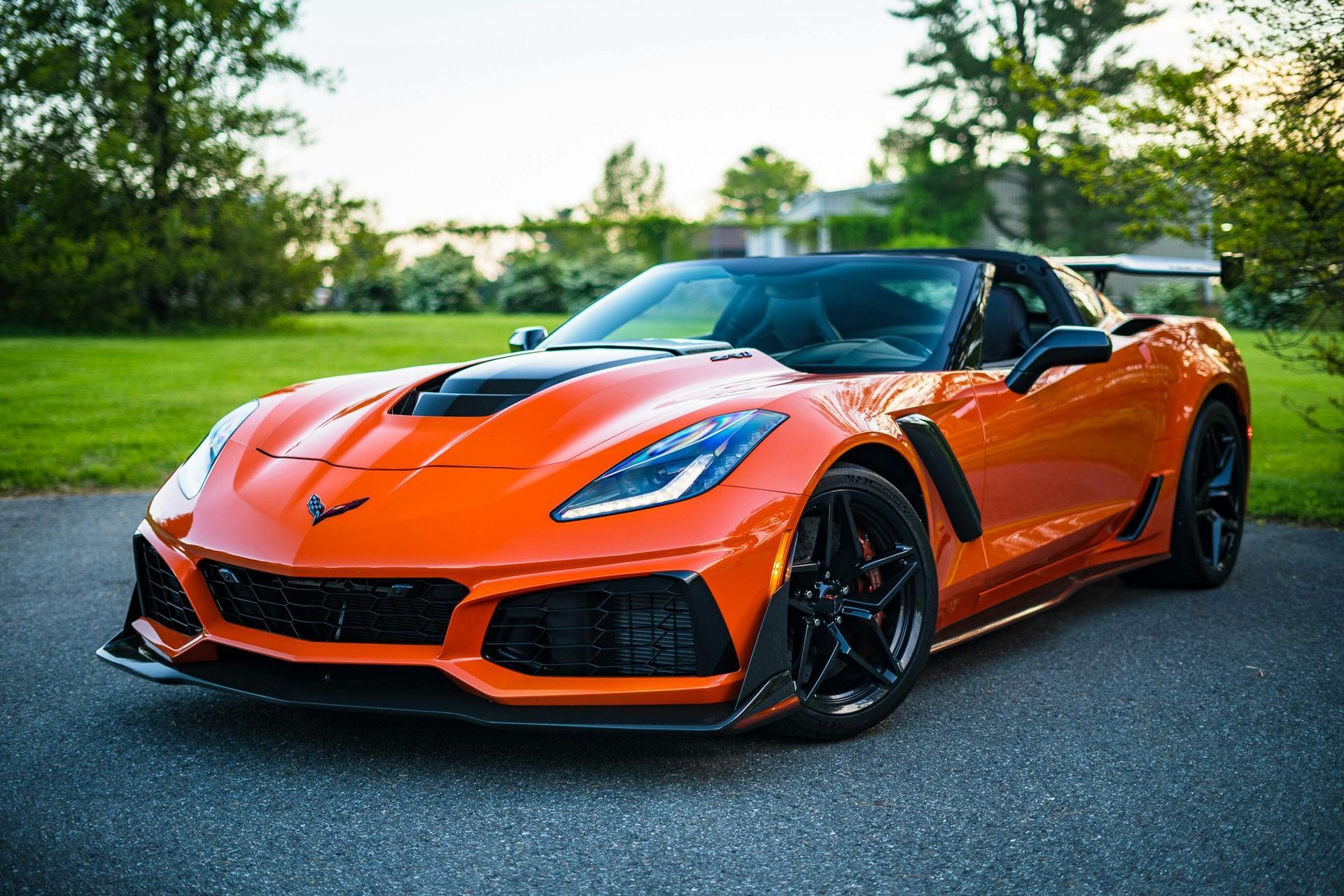
Protect your 2026 Volkswagen Golf R with full front paint protection film, ceramic coating, and professional window tint for enhanced gloss, durability.
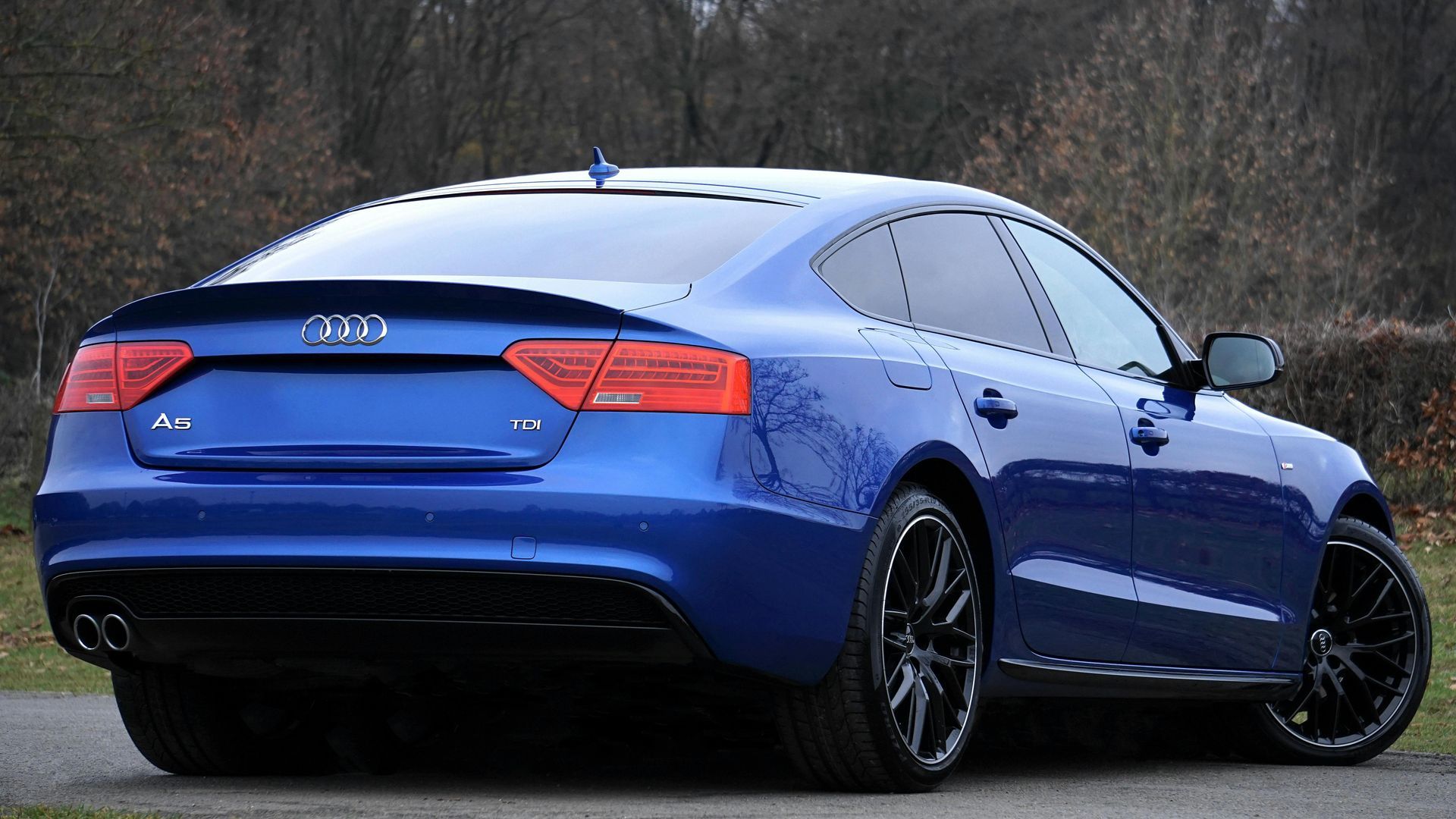
UV rays break down your car's paint every single day. Here's how ceramic coating actually protects against sun damage.
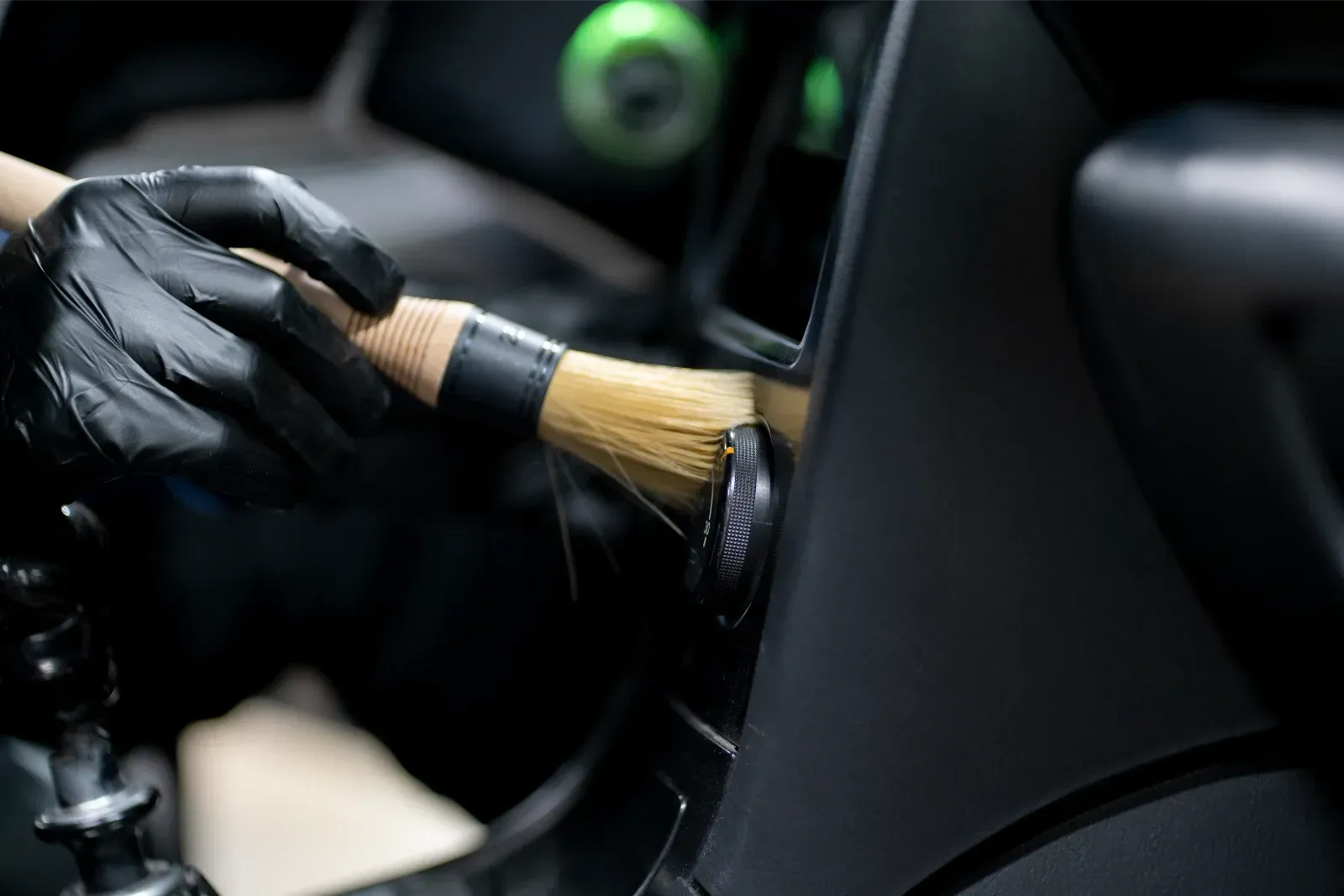
(And Why Your Driveway IS EASiER THAN a Shop)
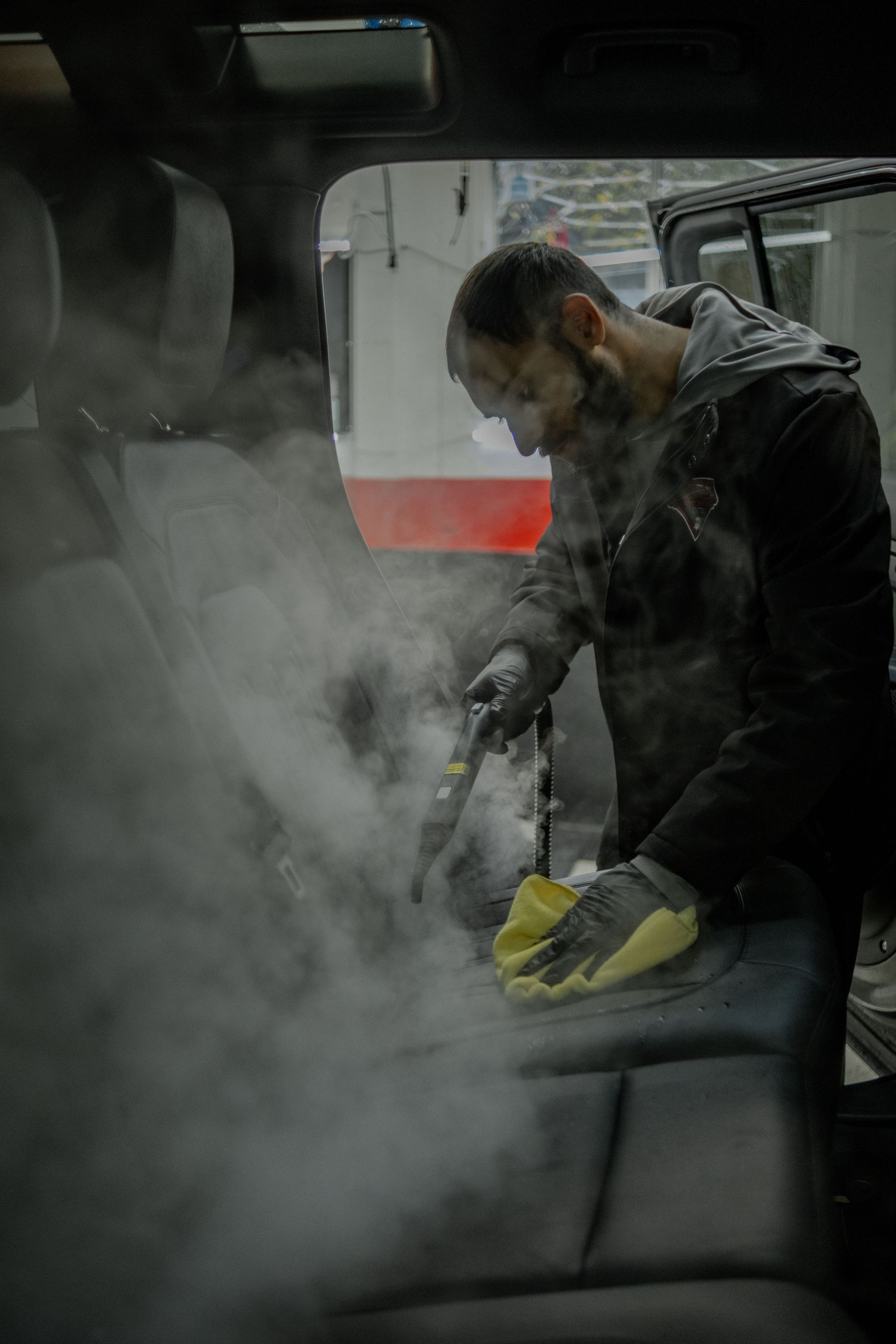
guide to auto detailing: Inside vs outside
What You're Actually Paying For
Ceramic Coating Myths Debunked Walk into any auto parts store and ceramic coating packages scream identical promises: "9H hardness," "scratch-proof protection," "lifetime durability." These claims sell products by triggering emotional responses, not by describing actual performance. The ceramic coating industry built a billion-dollar market on half-truths and scientific misrepresentation. The "9H hardness" claim appears on every ceramic coating package, but it's scientifically meaningless when applied to automotive paint. The pencil hardness test measures coating resistance to pencil scratching on glass substrates - completely irrelevant to how coating performs on flexible automotive clear coat. Real ceramic coating creates a sacrificial layer that absorbs minor impact damage. It doesn't make your paint scratch-proof or eliminate the need for careful washing. Marketing departments love absolute claims because they trigger emotional buying decisions rather than informed evaluations. The 9H Hardness Deception The Wolff-Wilborn pencil hardness test was designed for rigid surfaces like glass and metal. Testing involves dragging increasingly hard pencils across a surface until scratching occurs. This test tells you nothing about coating performance on flexible automotive paint that moves, flexes, and experiences impact forces. Automotive paint systems are multi-layered structures with varying hardness levels. Base clear coat hardness ranges from 2H to 6H depending on manufacturer formulation. Applying ceramic coating doesn't transform soft paint into diamond-hard surfaces - it only enhances existing characteristics. Think about building a house on sandy beach land versus solid bedrock. No amount of foundation work makes beach sand as stable as bedrock. Ceramic coating works the same way - it enhances your paint's baseline properties but cannot fundamentally change the substrate underneath. Manufacturers mentioning the Mohs hardness scale commit even worse scientific fraud. Ceramic coatings rate nowhere near diamond hardness (10 on Mohs scale). These references exist purely for marketing impact, not scientific accuracy. Our article on ceramic coating science explains the actual chemistry involved without marketing distortion. Your Toyota's soft paint won't become Mercedes ceramic paint just because you applied coating. The substrate determines maximum achievable hardness, and coating can only work within those limitations. Scratch-Proof Claims "Scratch-proof" and "scratch-resistant" sound similar but mean completely different things. Scratch-proof implies immunity to scratching damage - absolute fiction for any automotive coating. Scratch-resistant means the coating provides better protection than bare clear coat - accurate but far less exciting marketing copy. Ceramic coating reduces light scratching from improper washing techniques and environmental contact. It doesn't stop rock chips, shopping cart impacts, or key scratches. Physical damage that would scratch clear coat will damage ceramic coating too. The coating acts as sacrificial layer, taking damage instead of your paint. This protection works for minor abrasion and light contact, not significant impact forces. Expecting coating to prevent all scratching guarantees disappointment and creates unrealistic maintenance expectations. Professional detailers still see coated vehicles with swirl marks from automatic car washes, scratches from improper drying techniques, and damage from environmental contact. Coating reduces but doesn't eliminate these risks. Our common myths article addresses other protection misconceptions. Lifetime Protection Fiction "Lifetime protection" represents pure marketing fiction. Environmental factors, UV exposure, and normal wear patterns limit any coating's effective lifespan. Professional-grade coatings last 2-5 years with proper maintenance - impressive but not permanent. UV radiation gradually breaks down coating molecular structure. Fraser Valley's high rainfall creates constant water exposure that accelerates degradation. Road salt, bird droppings, and tree sap cause chemical reactions that weaken coating bonds. Temperature cycling from summer heat to winter cold stresses coating flexibility. Some manufacturers claim 10+ year durability, but warranty fine print reveals different reality. Coverage requires annual professional inspections, specific maintenance products, and approved washing methods. Fail any requirement, and warranty becomes void regardless of coating condition. Read warranty terms carefully before believing durability claims. Most exclude environmental damage, improper maintenance, and normal wear - the three primary coating failure causes. Maintenance Solutions Marketing claims suggest applying ceramic coating eliminates future maintenance requirements. This myth causes more coating failures than any other misconception. Ceramic coating reduces maintenance difficulty but increases maintenance importance. We provide annual maintenance solutions and recommend this be completed to decontaminate the coating and provide a top up layer. Bird droppings and tree sap require immediate removal because acidic content etches through coating faster than untreated clear coat. Road salt needs prompt cleaning during winter months to prevent chemical damage. Professional maintenance treatments can extend coating life significantly. Ignoring Paint Reality Marketing materials imply ceramic coatings deliver identical results on all vehicles regardless of paint type, color, or condition. This claim ignores fundamental differences in automotive paint systems that dramatically affect coating performance. Different manufacturers use varying clear coat formulations with different hardness levels, flexibility characteristics, and chemical compositions. Soft Toyota paint responds differently to coating than hard Mercedes ceramic paint. Dark colors show imperfections more prominently than light colors under coating enhancement. Paint condition before coating application determines final results more than coating quality. Applying premium coating over swirl-marked paint creates expensive disappointment. The coating amplifies existing defects rather than hiding them. Our spring reality check explains how winter damage affects different paint types. DIY Wishful Thinking Consumer ceramic coating marketing suggests DIY application achieves results identical to professional installation. This claim ignores critical differences in product formulation, application environment, and installer experience. Professional-grade coatings contain 80%+ SiO2 concentrations and require controlled application conditions. Consumer products use 20-50% concentrations diluted for easier application and lower failure rates. Lower concentration means shorter durability regardless of application quality. Professional shops maintain temperature, humidity, and contamination control that home garages cannot replicate. Coating chemistry demands specific environmental conditions for proper curing. Variable garage conditions guarantee inconsistent results even with perfect application technique. Installer experience prevents mistakes that DIY enthusiasts don't recognize until coating fails. Professionals understand flash times, proper section sizes, buffing techniques, and paint-specific requirements. Our installation guide explains proper application requirements that most DIY attempts cannot meet. The Honest Truth About Ceramic Coating Ceramic coating works when expectations align with reality. It provides enhanced protection against environmental damage, easier maintenance, and improved appearance. These benefits justify investment for many vehicle owners who understand actual performance rather than marketing promises. Protection against water spots, UV damage, light scratching, and contamination bonding represents real value. Reduced washing difficulty and extended time between details saves effort and money. Enhanced gloss and depth improves vehicle appearance noticeably. These benefits require proper application, regular maintenance, and realistic expectations about coating limitations. Skip professional installation or maintenance, and coating fails to deliver promised performance. For protection comparison that cuts through marketing hype, read our ceramic coating vs PPF analysis .